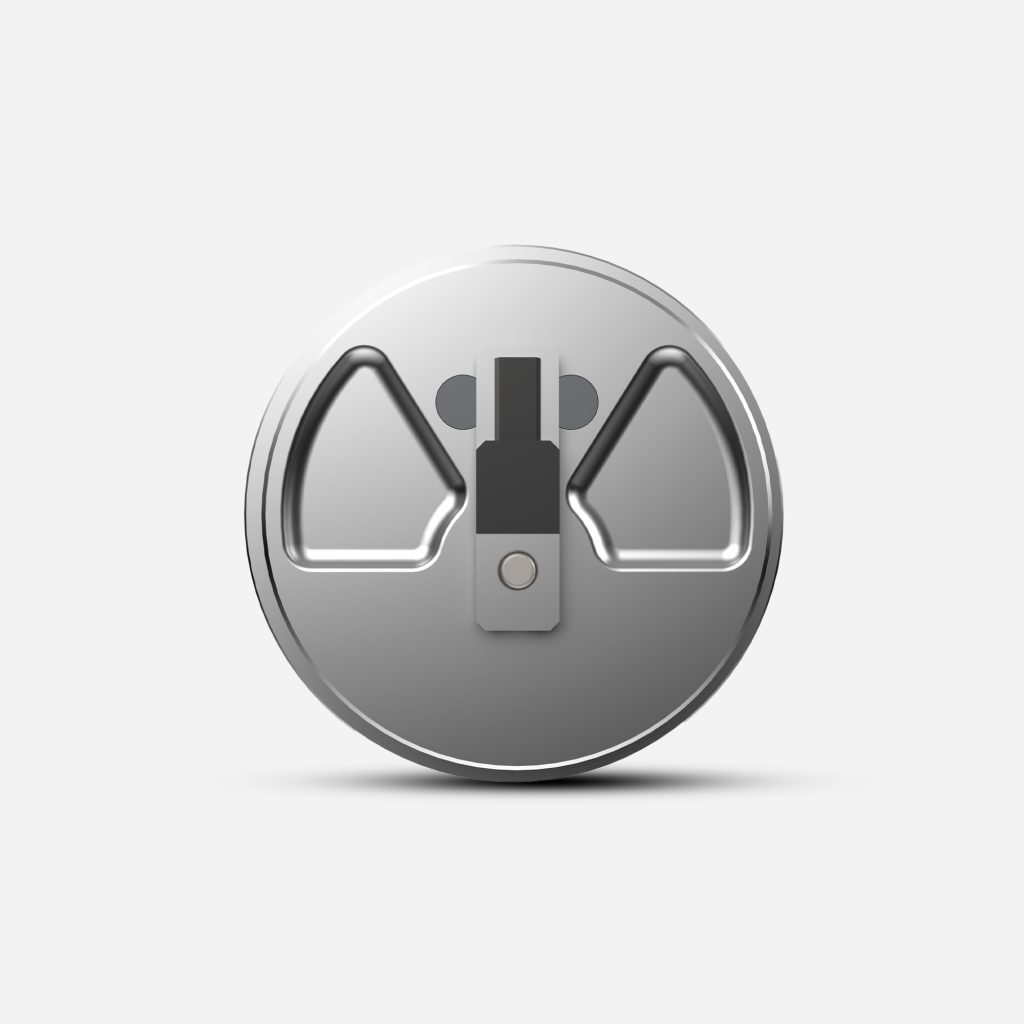
The Pyxis LT-632 is a submersible, self-cleaning turbidity sensor built for continuous unattended deployment in surface water, wastewater, or process tanks. It features a replaceable wiper arm, a 10-metre waterproof cable, and covers a high range of 0-1,000NTU with 4-20mA analog and RS-485 outputs through an 8-pin connector.
High-range detection — measures turbidity up to 1,000NTU for more heavily loaded water
Self-cleaning wiper arm — replaceable wiper keeps the optical surface clear for unattended deployment
High-range detection — measures turbidity up to 1,000NTU for more heavily loaded water
The Pyxis LT-632 is a submersible, self-cleaning turbidity sensor built for continuous, unattended deployment in surface water, wastewater, or process tanks. It shares the replaceable wiper arm and 10-metre waterproof cable of the LT-631 but extends the measurement range to 0-1,000NTU, suiting locations where turbidity levels run higher than a standard-range submersible sensor can accurately track.
Readings are available through 4-20mA analog and RS-485 outputs via an 8-pin connector, integrating with existing monitoring infrastructure.
It’s intended for sites with more heavily loaded water — such as certain wastewater or process tank applications — where continuous, low-maintenance turbidity data is needed.
Why Use This
Handles Heavier Turbidity Loads
Extended 0-1,000NTU range suits more heavily loaded water than standard-range submersible sensors.
Unattended Long-Term Deployment
The self-cleaning wiper arm and 10-metre waterproof cable support continuous monitoring with reduced maintenance.
Applications
Wastewater treatment — continuous monitoring of more heavily loaded process streams
Surface water monitoring — submersible deployment where turbidity levels run higher
Process tank monitoring — unattended tracking in tanks with elevated turbidity
FAQ
What makes the LT-632 a “high range” sensor?
It measures turbidity up to 1,000NTU, higher than the standard LT-631, for more heavily loaded water.
How does the sensor stay clean during long deployments?
A replaceable wiper arm automatically cleans the optical surface for unattended operation.
Where is the LT-632 typically installed?
Submerged in surface water, wastewater, or process tanks, using its 10-metre waterproof cable.