
Most irrigation system failures are not caused by equipment breaking down. They are caused by design mistakes, wrong equipment selection, or maintenance that gets deferred until the damage is already...
Category Overview
Engineered for Uniform Distribution, Not Just Installed
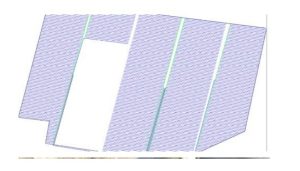
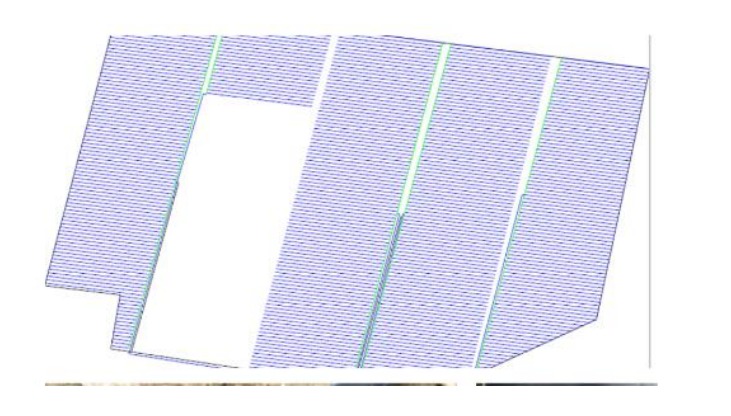
A drip fertigation system only performs as well as its hydraulics. Undersize the pump or the pipe network and the plants furthest from the source receive less water and fertiliser than the ones closest to it — no matter how good the drippers are. Autoflo's turn key approach starts with the calculation, not the parts list: flow rate and head are computer-modelled for the specific layout, pipe diameters are sized to hold pressure loss within range, and the complete network is drawn on CAD before anything goes into the ground.
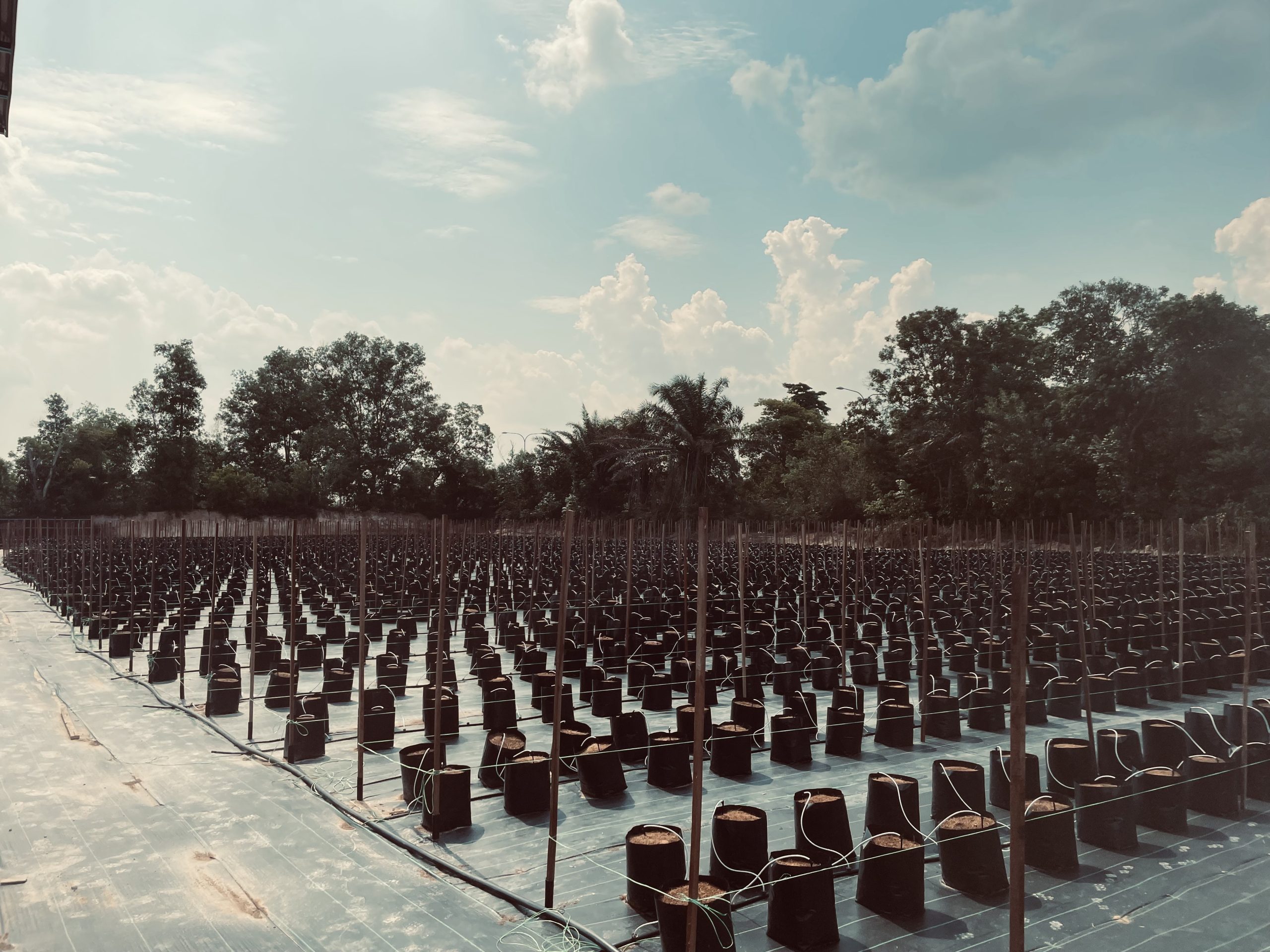
The system covers the full water path — an irrigation pump drawing from the water source, filtration ahead of the emitters, a fertigation unit dosing nutrients into the line, and an engineered pipe network delivering it all to NaanDan (Rivulis) pressure-compensating emitters at the plant. Depending on the planting method, that means heavy-duty button drippers for polybag and container crops, or pressure-compensating drip tape for row crops planted directly in the ground — a more economical way to cover large in-ground areas with the same uniform, pressure-compensated performance. Because the hydraulics are right from the outset, the same backbone also gives you a strong foundation to add smart farming and remote monitoring later, without re-engineering the system.
Computer-calculated hydraulics — pump flow rate and head, and pipe sizing, are calculated for the specific field layout rather than estimated, so pressure is held within range across the whole network
High uniformity of distribution — every plant on the line, near or far from the pump, receives a consistent water and fertiliser dose
CAD-designed layout — the full pipe network, zoning and dripper placement is drawn out before installation, not improvised on site
Smart farming ready — a correctly sized hydraulic backbone can be extended with remote monitoring and automation without redesigning the pump or pipe network
System Architecture
What's Included in the Turn Key Drip Fertigation System
Five parts, one hydraulically-calculated system — from the water source to the plant, with an emitter option for polybags and one for open-ground rows.
Part 01
Water Source & Pumping
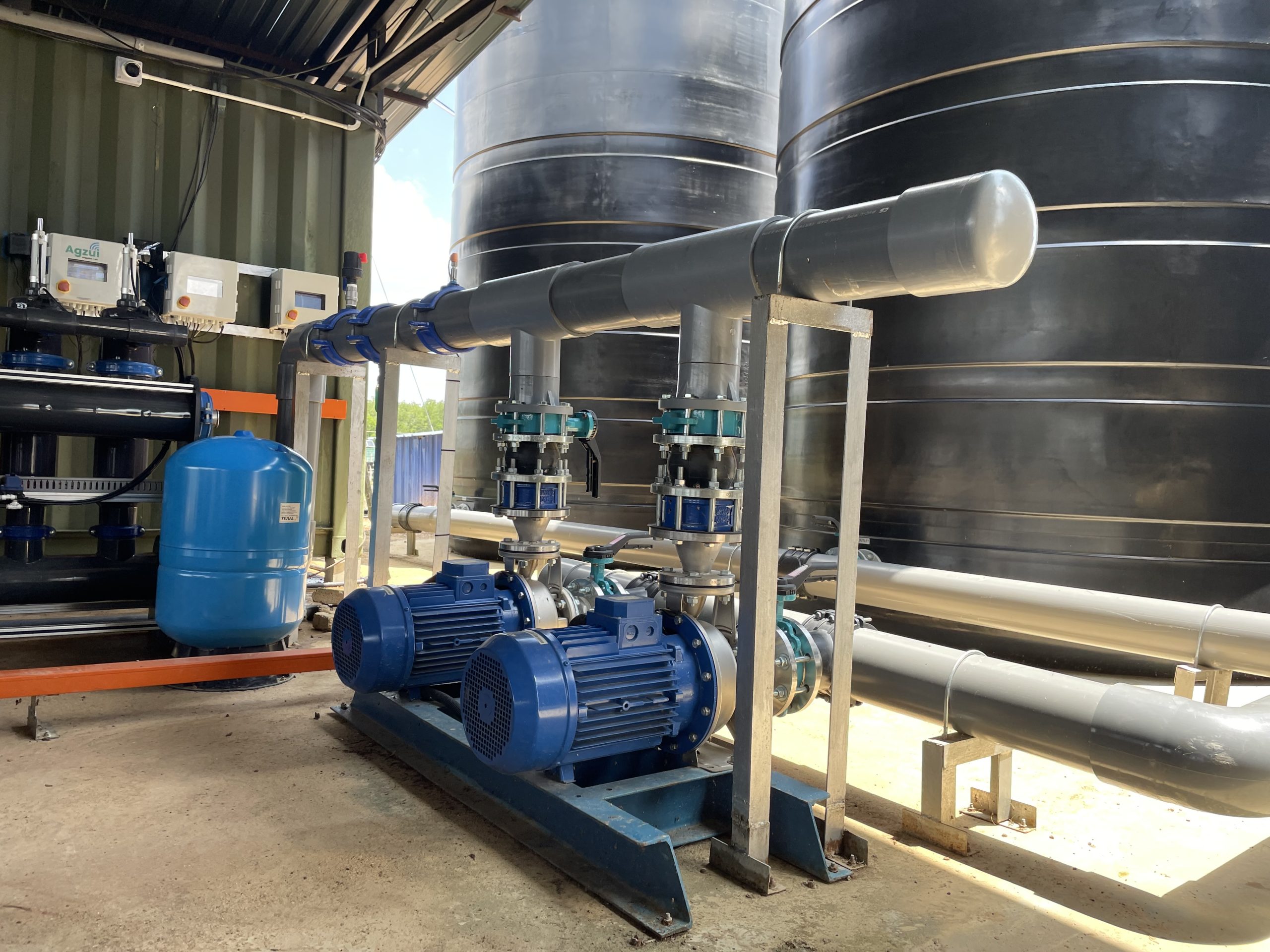
Irrigation Pump
Pump is sized against computer-calculated flow rate and head, not a generic catalogue selection
Draws from the available water source and delivers the working pressure the downstream network needs
Right-sizing here is what keeps distribution uniform all the way to the last dripper on the line
Part 02
Filtration
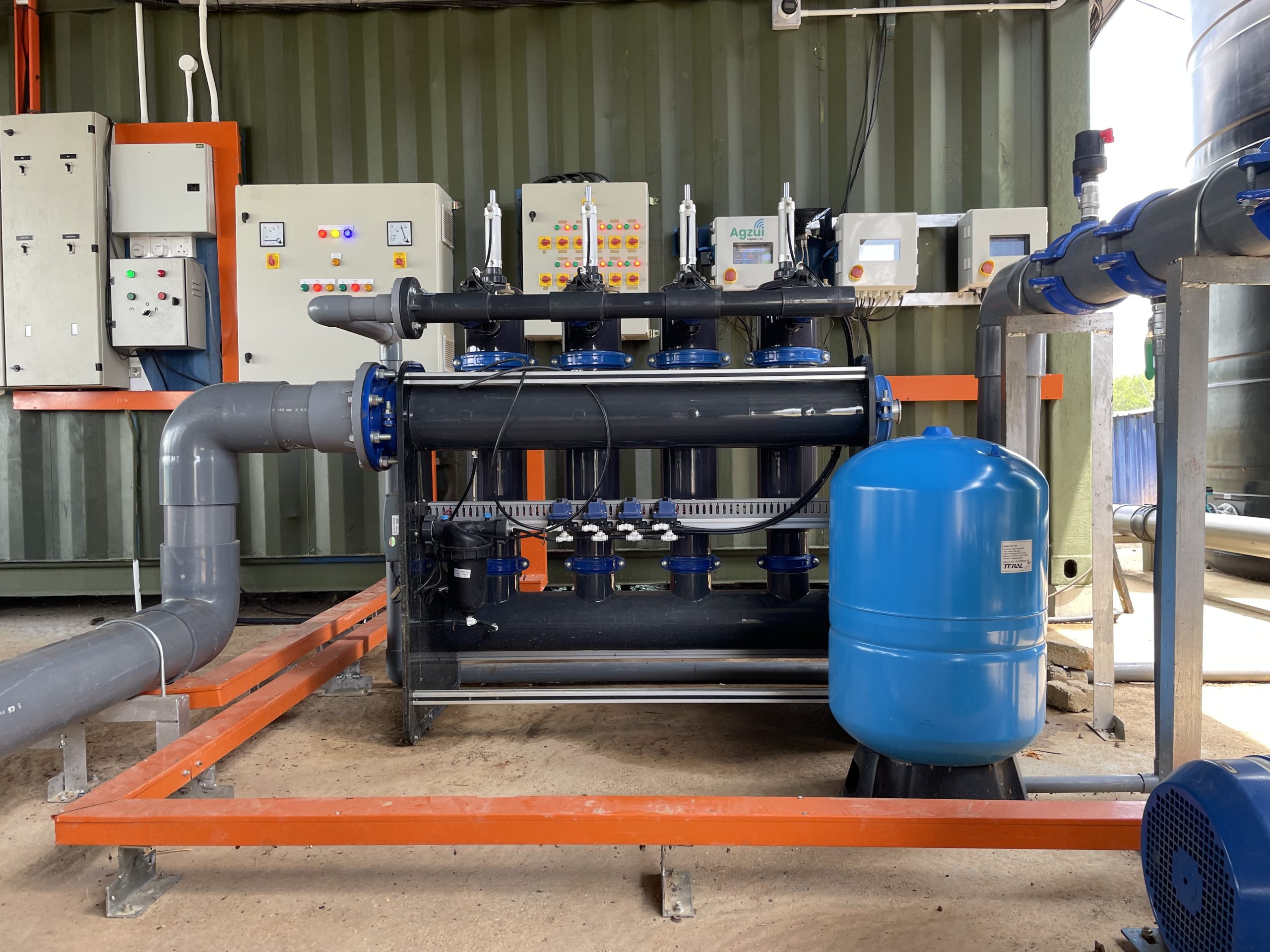
Filtration System
Screens out particulate before it reaches the drippers, protecting the fine flow passages inside each unit
Sized to the recommended filtration grade for pressure-compensating drippers — 130 micron (120 mesh)
Positioned ahead of the fertigation unit to keep injected nutrients moving through clean lines
 Part 03
Water-Powered Fertigation
Fertigation System
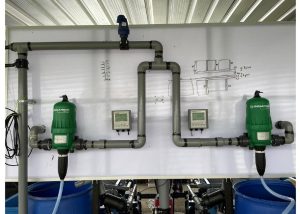
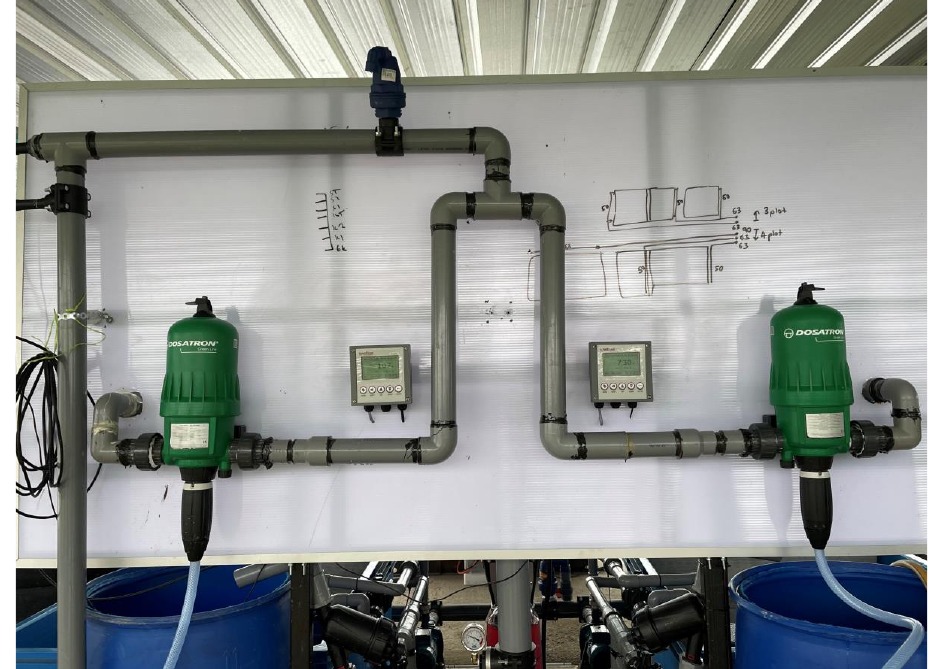
Dosatron units inject fertiliser in exact proportion to flow, powered entirely by the water line itself
Feeds nutrients directly into the irrigation line ahead of the pipe network, dose-matched to every zone
Same fertigation backbone used across our Fertigation System range, with a clear upgrade path to smart dosing control
 Part 04
Hydraulic Calculation
Pipe Layout & Installation
Pipe diameters are sized on CAD to keep pressure loss within range across the full layout
Terminates at NaanDan (Rivulis) ClickTif HD heavy-duty pressure-compensating drippers, 1.3–12 l/h — the standard choice for polybag and container-planted crops
CNL (Compensating Non-Leakage) option shuts off cleanly after irrigation, reducing drainage and leaching between cycles

In-Ground & Open Field Planting
Hydraulic Regulating Technologies
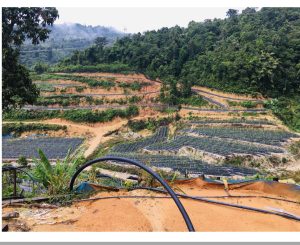
Pressure-compensating thin-wall tape holds flow uniform across long runs and gentle slopes, where standard tape would starve the far end of the row
A more economical way to cover large in-ground plots than point-source drippers — built for crops planted directly in soil rather than polybags
Slit outlet closes when irrigation stops, reducing soil suck-back into the line between cycles