









AODD pumps generate pulsating flow. Every stroke pushes a slug of fluid through the outlet — not a smooth stream. If you hard-pipe straight into the pump manifold with rigid...


Since 2000
Intelligent Water & Chemical Management
Managing by Knowing Rather Than by Guessing
with Dosing, Flow & Control Technologies.
25+
Years Expertise
1,000+
Deployed Solutions
9
International Brands
Trusted by Industry Leaders



25+
Years Expertise
1,000+
Deployed Solutions
9
International Brands
Trusted by Industry Leaders
Who We Are
Enabling Intelligent
Enabling Intelligent
Chemical & Water Management Since 2000
For over two decades, Autoflo Technology has helped customers improve the way water and chemicals are managed, through our dosing, flow and control technologies, enabling customers to eliminate uncertainties from water quality and chemical application.
Learn More About Us
Who We Are
Enabling Intelligent
Chemical & Water Management Since 2000
For over two decades, Autoflo Technology has helped customers improve the way water and chemicals are managed, through our dosing, flow and control technologies, enabling customers to eliminate uncertainties from water quality and chemical application.
Learn More About Us →
Our Products
Technologies Portfolio
Every technology in our portfolio - dosing, flow & control - serves a common purpose: enabling intelligent water & chemical management. By combining proven technologies with application expertise, we help customers make better decisions, achieve more with less and create results that endure.
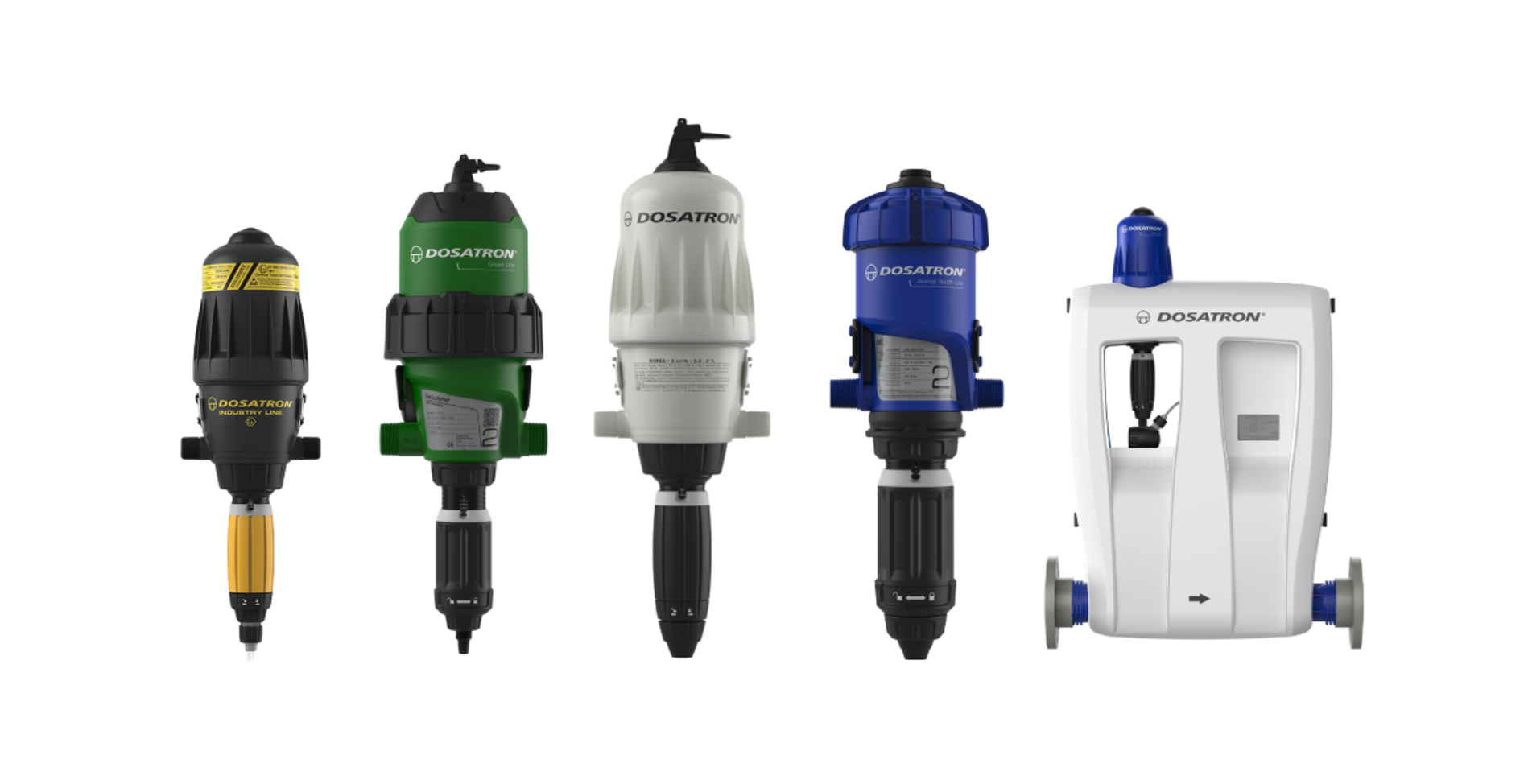
Water-Powered Dosing Pumps
Explore Range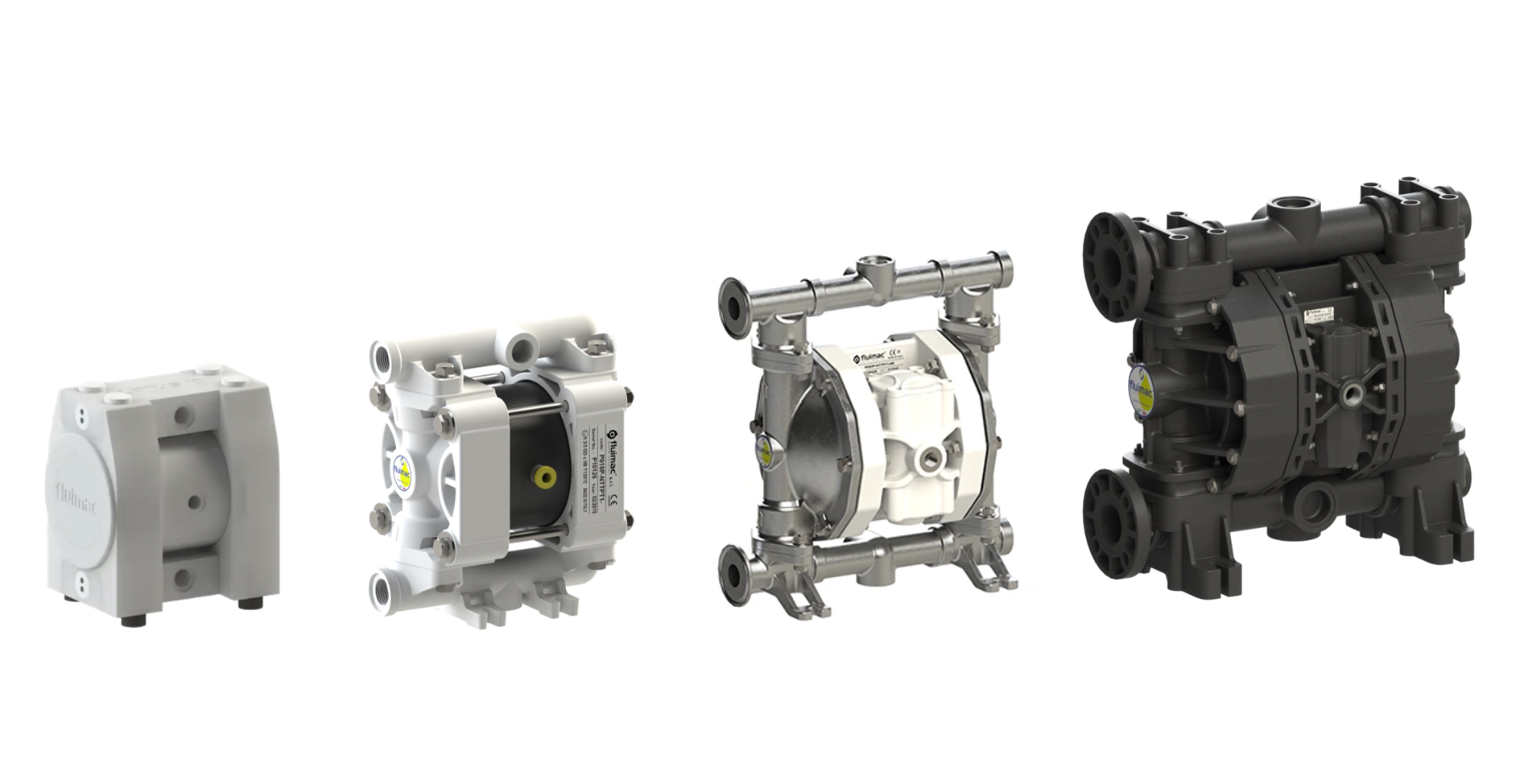
Air-Operated Double Diaphragm (AODD) Pumps
Explore Range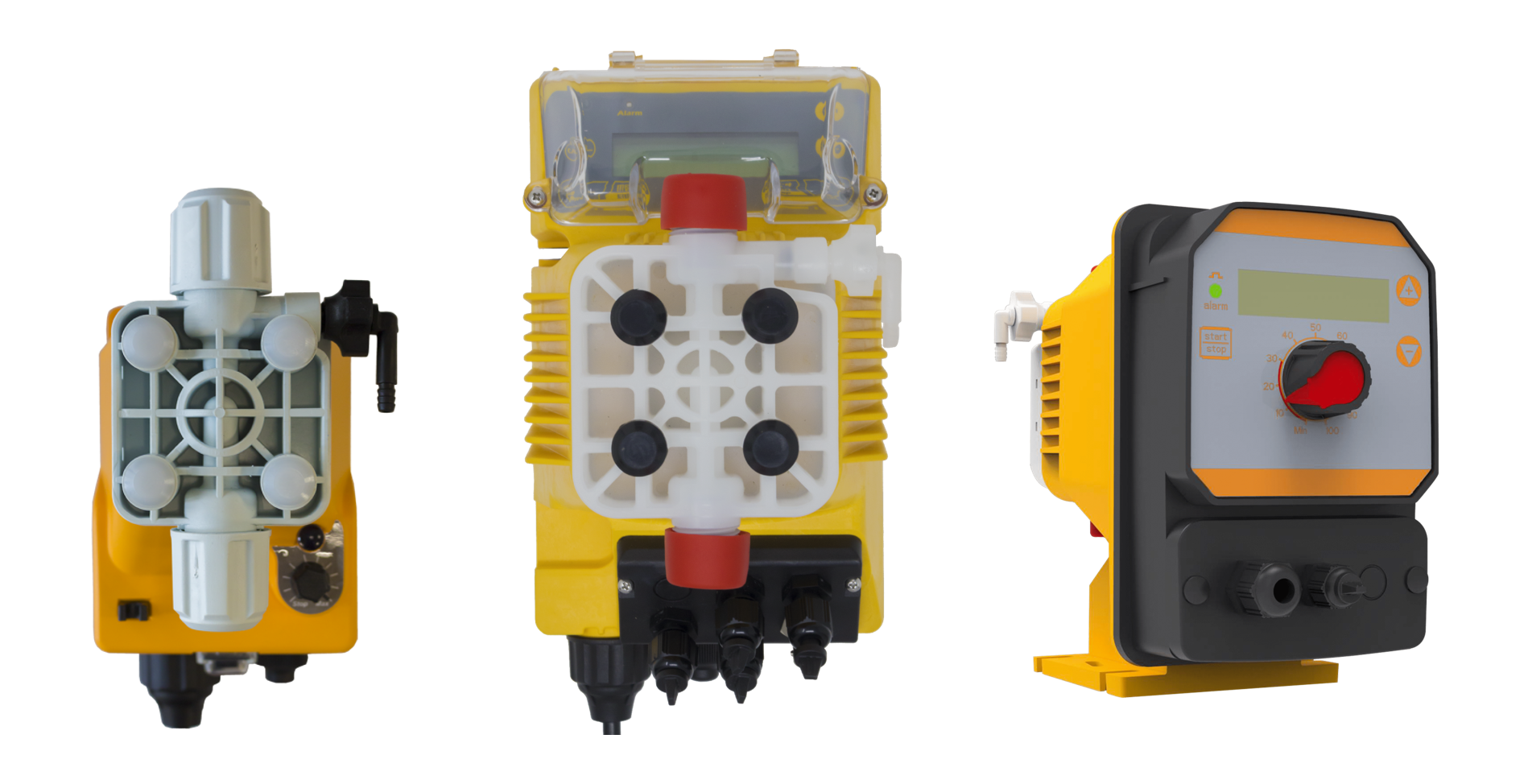
Solenoid-Driven Diaphragm Metering Pumps
Explore Range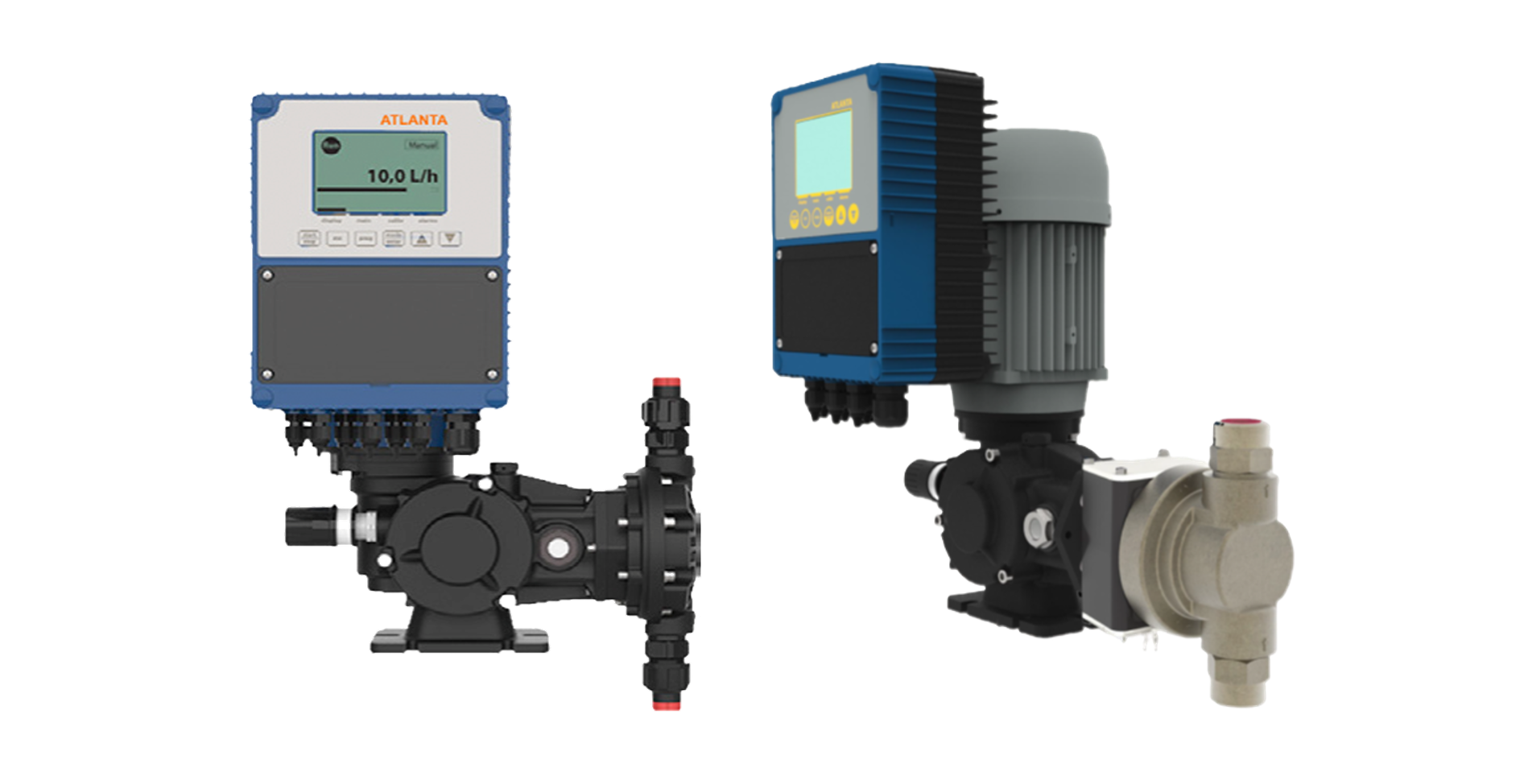
Digital Motor-Driven Dosing Pumps
Explore Range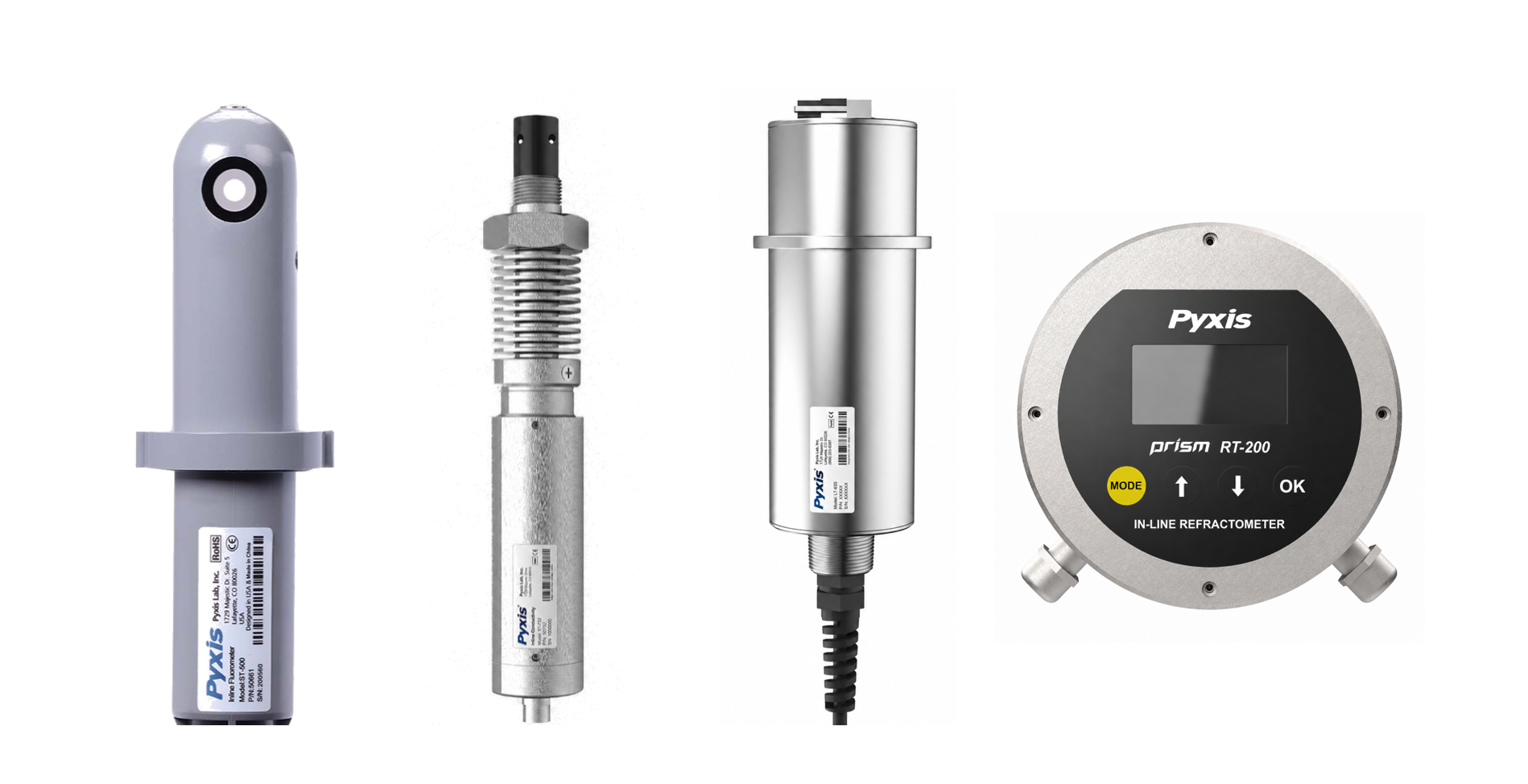
Inline Sensors
Explore Range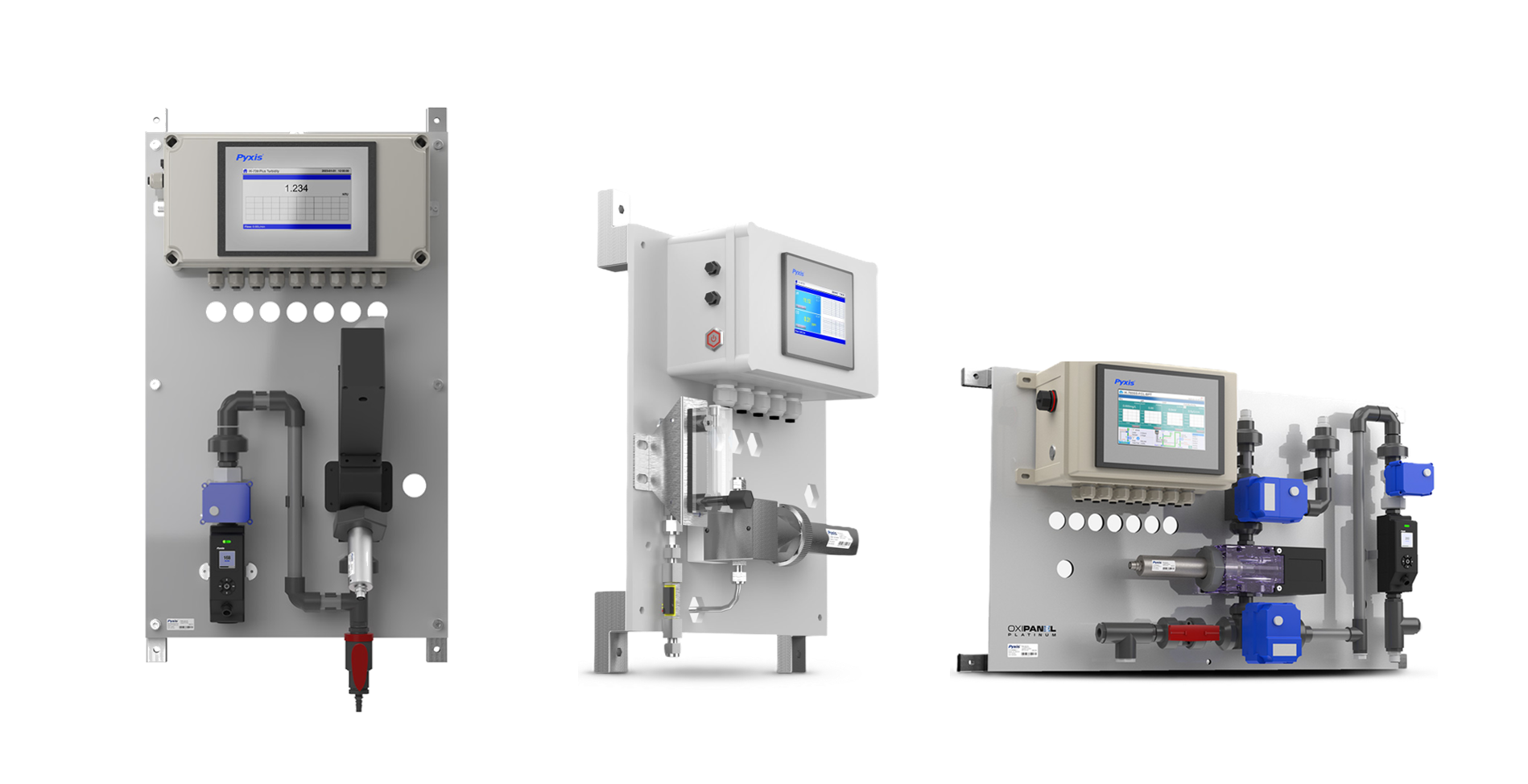
Analysers
Explore Range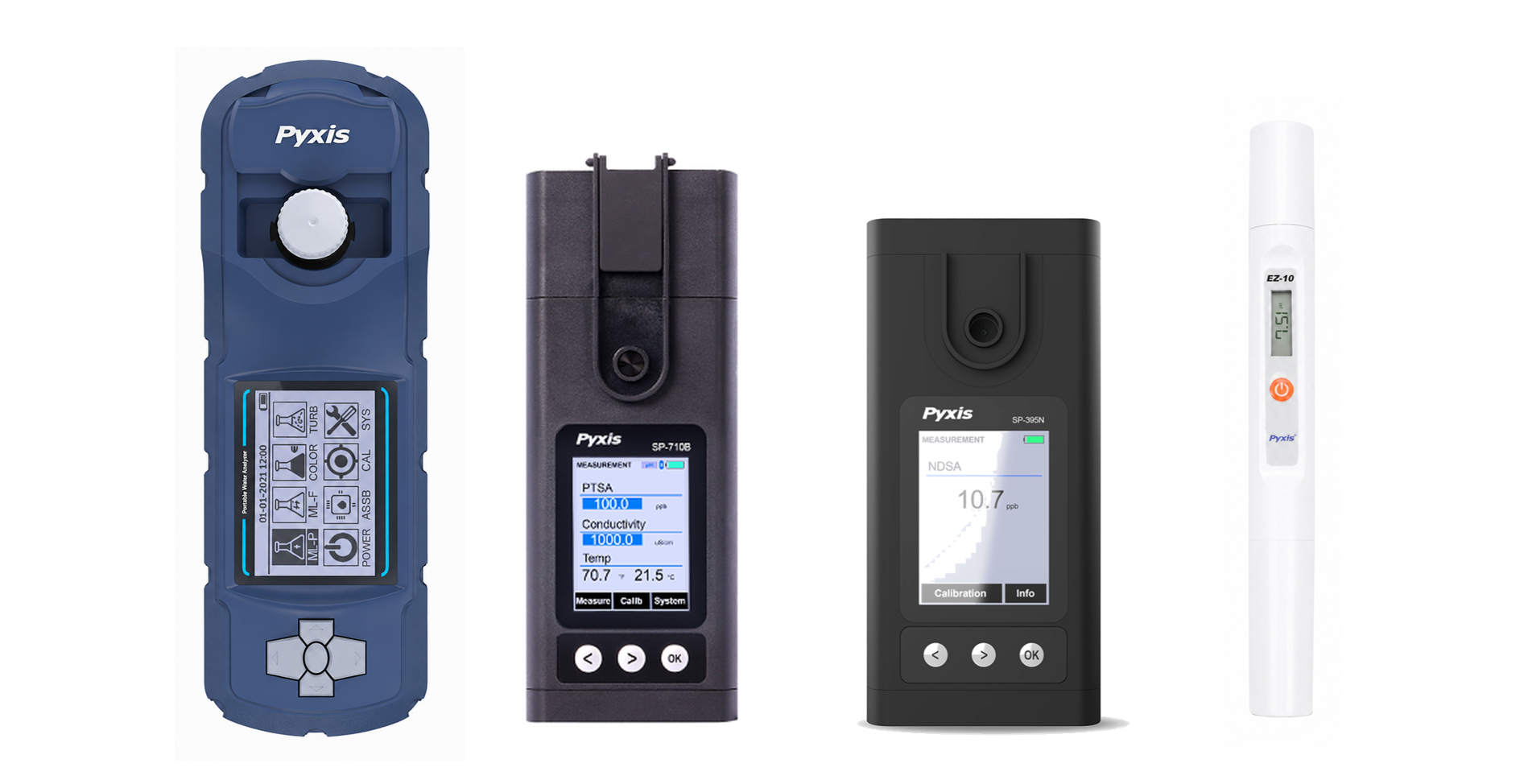
Handheld Meters
Explore Range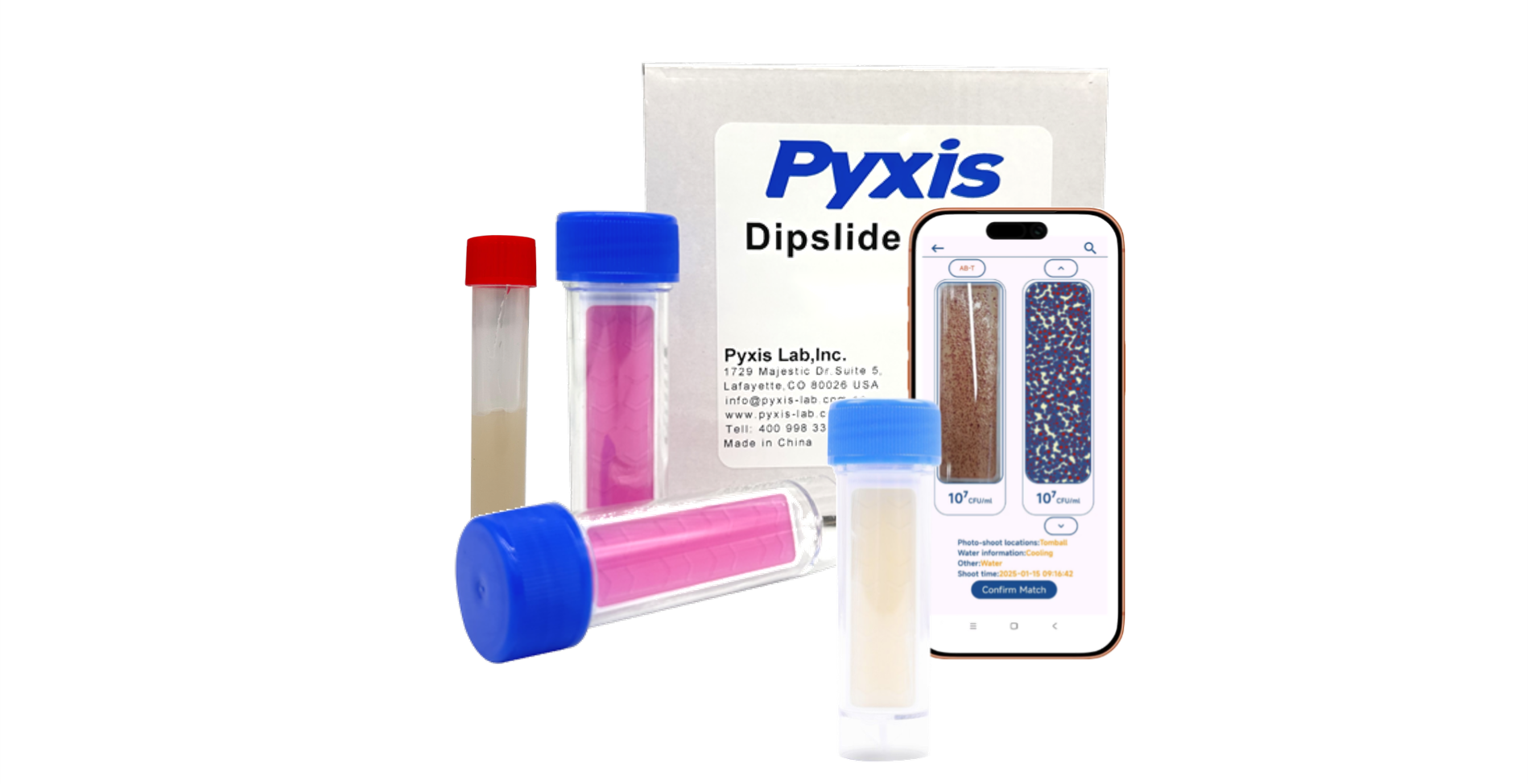
Dipslides
Explore RangeExplore Other Products
Our Products
Technologies Portfolio
Every technology in our portfolio - dosing, flow & control - serves a common purpose: enabling intelligent water & chemical management. By combining proven technologies with application expertise, we help customers make better decisions, achieve more with less and create results that endure.
Water-Powered Dosing Pumps
Explore Range →
Air-Operated Double Diaphragm (AODD) Pumps
Explore Range →
Solenoid-Driven Diaphragm Metering Pumps
Explore Range →
Digital Motor-Driven Dosing Pumps
Explore Range →
Inline Sensors
Explore Range →
Analysers
Explore Range →
Handheld Meters
Explore Range →
Dipslides
Explore Range →
→
Explore Other Products
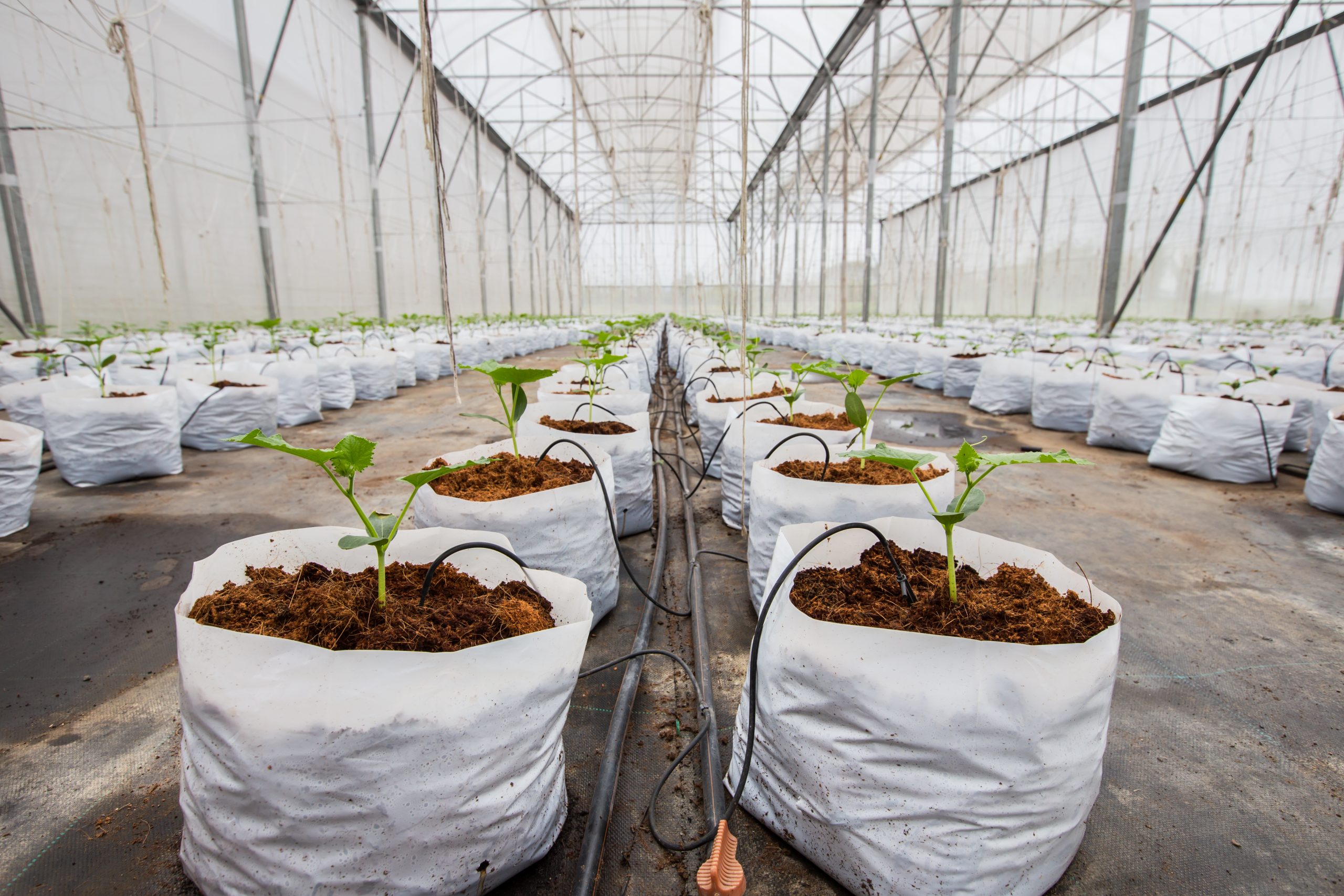
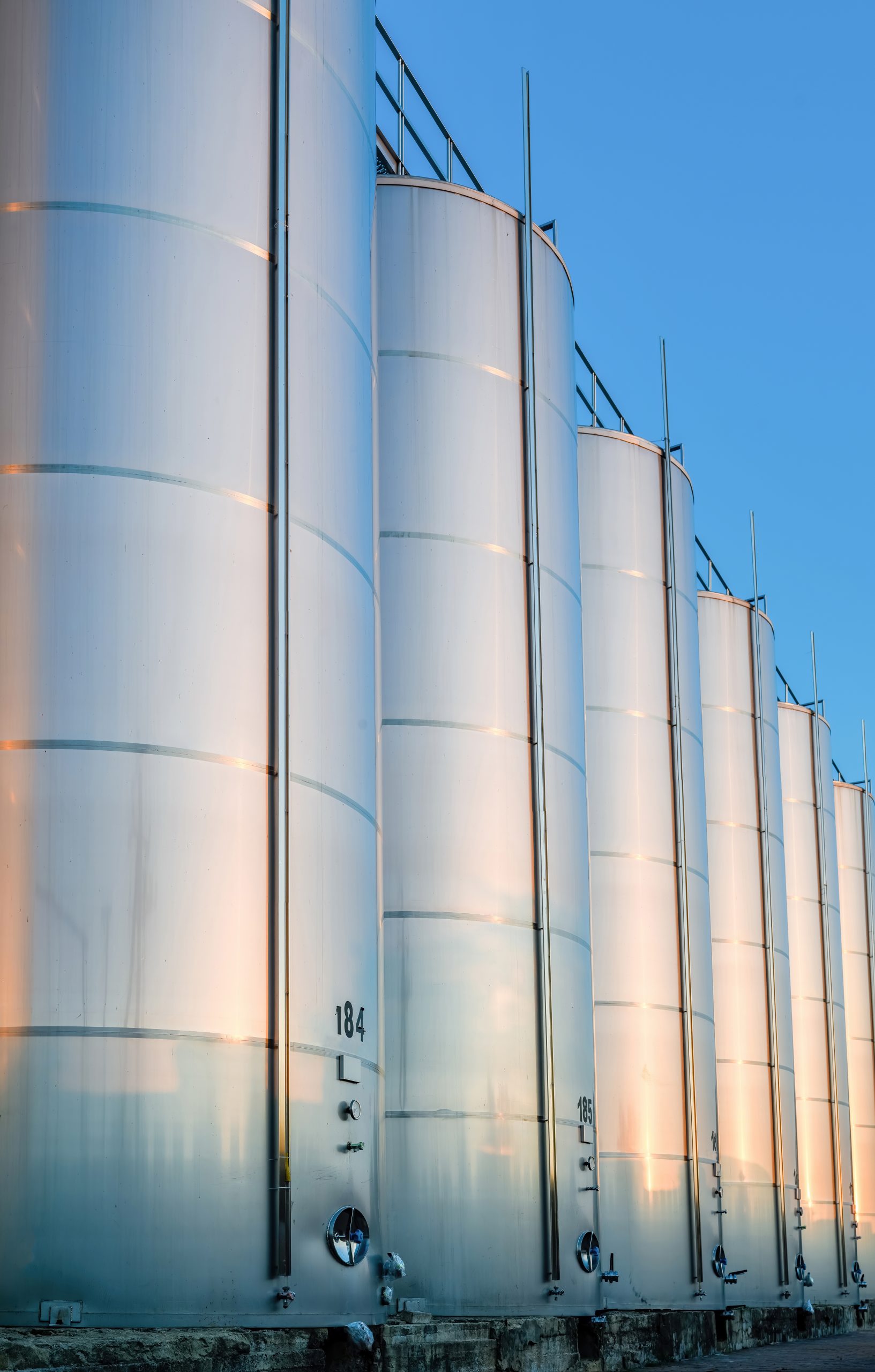
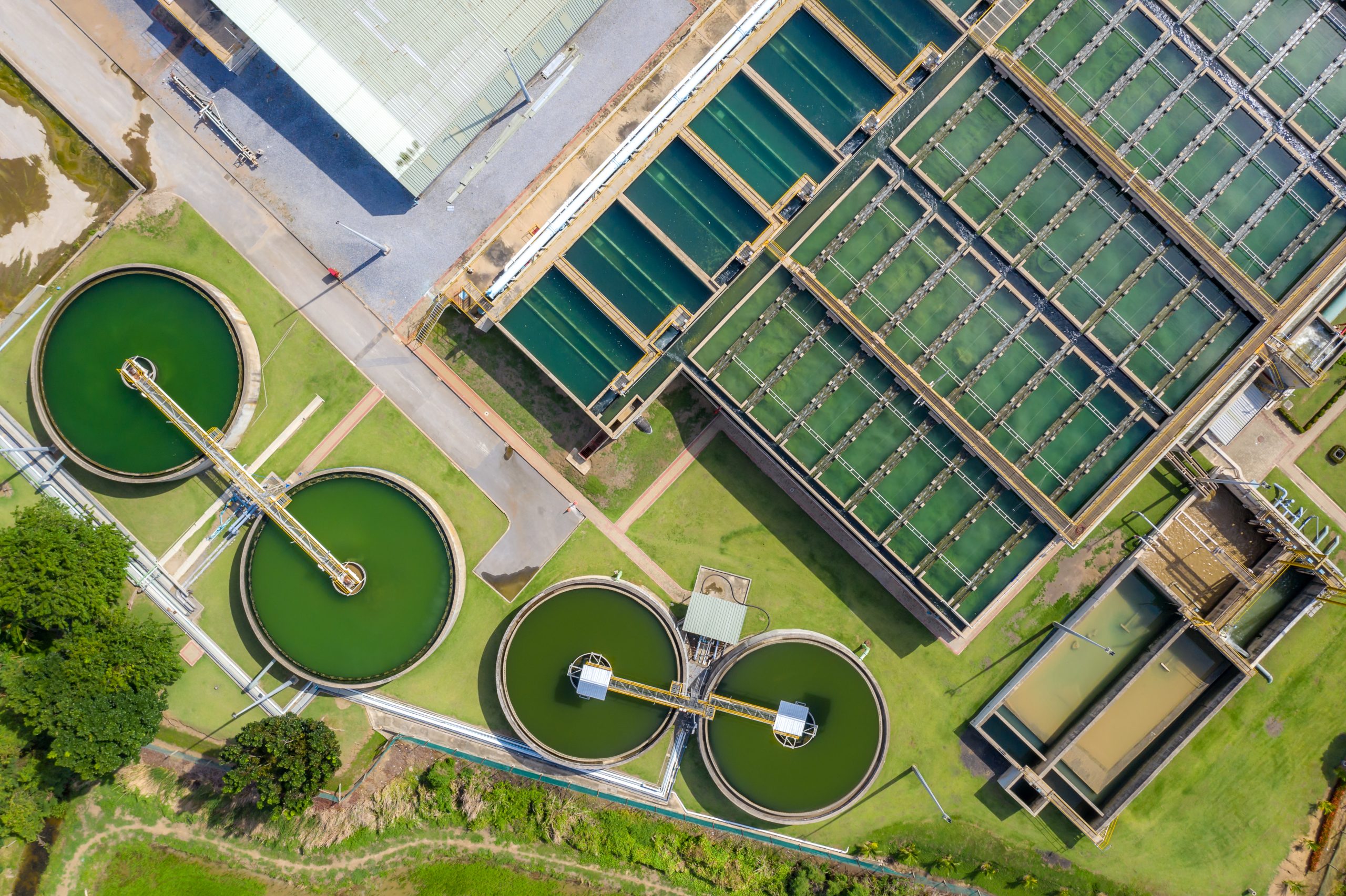
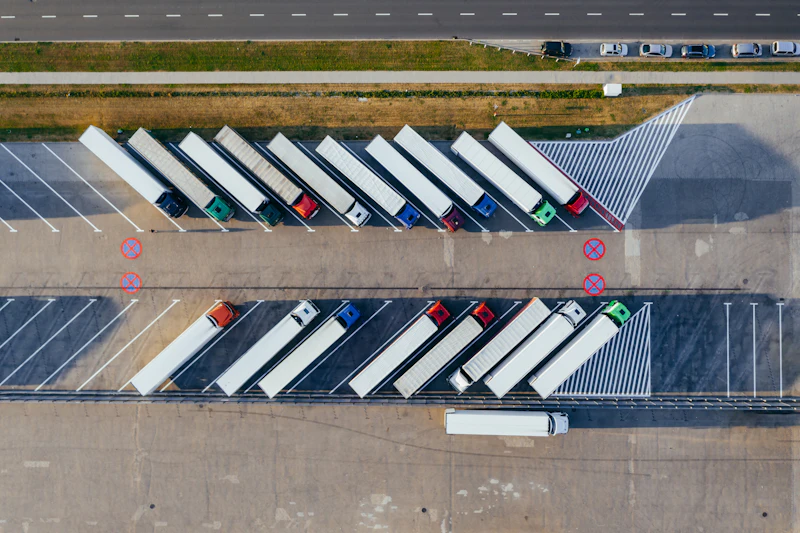
Our Applications
Markets We Serve
Our Applications
Markets We Serve
Official Distributor
Trusted by the World’s Leading Manufacturers
For over two decades, we have maintained strong relationships with principals from France, Italy, Australia, USA, and beyond. We are the authorized distributor in Malaysia for dosing, flow and control technologies for chemical and water management, encompasing chemical dosing pumps, chemical transfer pumps, water quality sensors & analysers, water treatment controllers and steam & water analysis system.



Official Distributor
Trusted by the World’s Leading Manufacturers
For over two decades, we have maintained strong relationships with principals from France, Italy, Australia, USA, and beyond. We are the authorized distributor in Malaysia for dosing, flow and control technologies for chemical and water management, encompasing chemical dosing pumps, chemical transfer pumps, water quality sensors & analysers, water treatment controllers and steam & water analysis system.
Let's Talk Flow