
Why the External Pneumatic Exchanger Makes the Fluimac Phoenix the Lowest-Maintenance AODD Pump in Malaysia
Most AODD pump downtime traces back to the air distribution valve. Accessing it in a conventional pump means disassembly. The Fluimac Phoenix AODD Pump changes this entirely with an externally located pneumatic exchange kit that anyone can replace in minutes.
When to Use PVDF Instead of Polypropylene or Stainless Steel in an AODD Pump
An AODD pump body sees more sustained chemical exposure than almost any other wetted component in a plant. Pick the wrong material and you don’t get a slow, manageable decline — you get a swollen casing, a cracked port, or a pinhole leak within months, sometimes weeks. And the default reasoning we hear most often […]
Why the “Best” Diaphragm Material Failed at Daihatsu Perodua — And What Replaced It
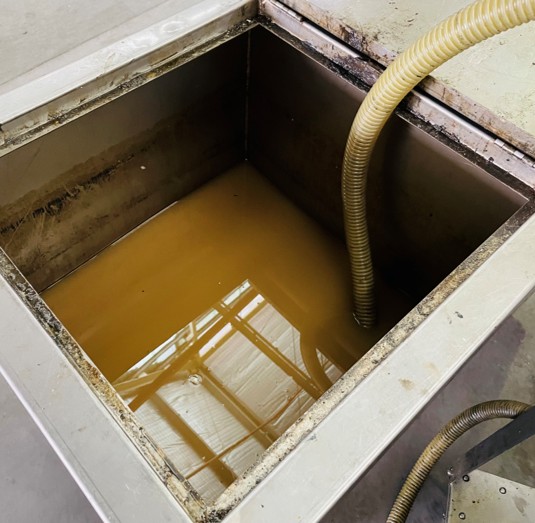
Daihatsu Perodua Engine Manufacturing was already a customer of ours — we had been supplying them Dosatron units for mixing their metalcutting fluid — so when I visited one day and asked, as I usually do, whether they also use AODD pumps, the conversation went somewhere interesting. Yes, they said. And they asked if we […]
Nine Years Without a Spare Part: An AODD Pump Case Study at Top Glove
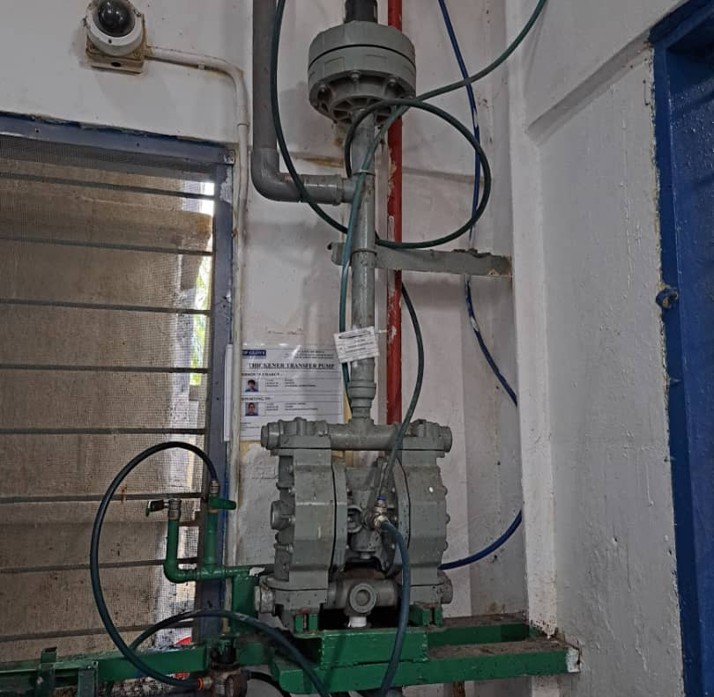
We have been supplying Dosatron units to Top Glove for a long time — for the dilution of nitric acid and alkaline in their former washing and dipping lines — so when they came to us asking whether we also carry AODD pumps, we already had some sense of how their facility operates. What they […]
How to Correctly Stop an AODD Pump: Why Closing the Fluid Valve Destroys Diaphragms
There is a right way and a wrong way to stop an AODD pump. Most operators discover the wrong way through a diaphragm failure — and because the failure happens some time after the bad shutdown practice, the connection isn’t always made. The Fluimac Phoenix manual specifies a precise stop sequence, and deviating from it […]
PP vs PVDF vs SS316 vs Acetal: Choosing the Right Pump Body Material for Chemical Duty
The casing material on an AODD pump determines what it can handle and at what temperature. Getting this wrong means either buying a more expensive pump than you need, or buying one that fails in service. The Fluimac Phoenix range offers five casing materials — PP, PVDF, Aluminium, SS316, and POMc (Acetal) — and each […]
Fluimac Phoenix vs Phoenix FOOD: When the Food-Grade Specification Actually Matters
The Fluimac Phoenix and Phoenix FOOD look nearly identical from the outside. Same casing options, same size range, same model numbering structure. The difference is in the materials of the wetted parts and the certifications those materials carry. If you’re specifying a pump for food, beverage, potable water, or pharmaceutical contact, the standard Phoenix is […]
What You Cannot Use an AODD Pump For: Improper Uses That Void Warranty and Risk Safety
AODD pumps are versatile. They can handle abrasives, shear-sensitive fluids, high-viscosity materials, and aggressive chemicals that would destroy most other pump types. But versatility has limits, and the Fluimac Phoenix manual is direct about the applications that are outside those limits. Using a pump outside its specified range doesn’t just risk poor performance — it […]
AODD Pump Ball and Seat Maintenance: When to Clean, When to Replace
The balls and seats are the check valves in an AODD pump. They control the direction of fluid flow — open on intake, closed on discharge. When they wear or foul, the pump loses efficiency, then loses prime, then stops pumping altogether. The failure is gradual enough that it often gets attributed to other causes […]
AODD Pump Diaphragm Maintenance Intervals: The 100K / 1M / 20M Cycle Schedule
Most people don’t think about diaphragm maintenance until the pump leaks. By that point, the diaphragm has failed and chemical is either in the air circuit or on the floor. The Fluimac Phoenix manual defines a three-stage maintenance schedule tied to cycle count, not calendar time — and the logic is worth understanding, because cycle […]